fbpx
TEMPLATE USED:
pageid: 15703

A week on Easter Island

Claudia, one of Ecochile’s Travel Specialists, visited Easter Island to see how the island’s tourism has changed since the pandemic. One thing that was adamantly clear was that the magic and charm of Easter Island remains as fascinating and enticing as ever.

In this blog post, Claudia tells us about how she was enchanted on her week on the island the locals call Rapa Nui. 
Arriving on Easter Island

After an early start on a Saturday morning, we headed to Santiago’s airport. Travelling to Rapa Nui, otherwise known as Easter Island, means going through the special customs area of the domestic terminal for Easter Island and filling out the required entry form to protect the ecosystem and control the number of tourists. 

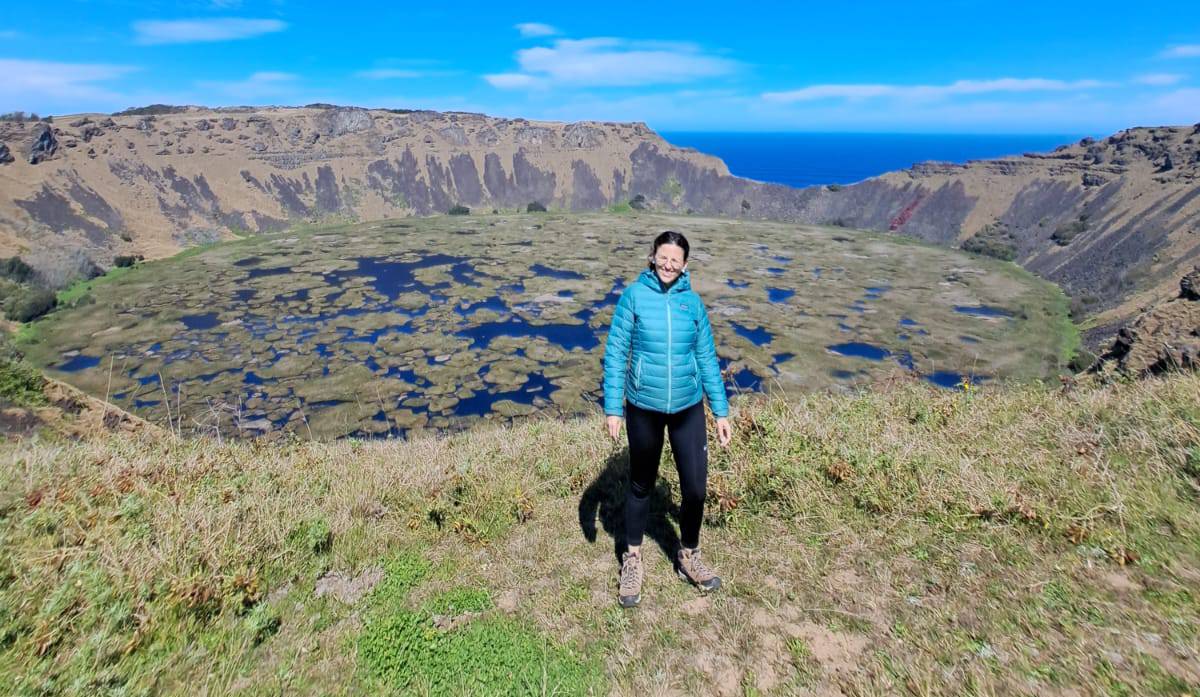
The flight is surprisingly long – 5 hours flying over nothing but the Pacific Ocean. Then, all of a sudden, the emerald-green island appears in the middle of the sapphire-blue sea. You can see the waves crash against the cliffs and the volcanoes and craters that dot the island. As you get closer though, tiny figures looking out to the coast appear – my first sighting of the moai statues that make Easter Island so famous.

Stepping out of the plane, I was welcomed immediately by the Easter Island breeze and a wall of greenery. The luscious green jungle veins where the tarmac ends and seemingly coming from it, the sound of Rapa Nui music. Local guides greeted me with a customary Rapa Nui flower necklace as we walked out. It couldn’t have been a better start to an incredible week on Easter Island.

Guides and caring for the island

These guides are a must on the island, not least because there are so many monuments that it is hard to tell what is a rock and what is a monument! The guides are a font of knowledge when it comes to all things Easter Island and, as well as showing you all the hidden spots on the island, without them, you can’t get into any of the parks or see the monuments up close.

All the archaeological sites are looked after like a giant museum over the whole island. Although there are a couple of decorative reconstructions, Sebastián was great in helping us identify which were real and telling us the story behind the replicas. I was definitely amazed at how well cared-for the artefacts are, and how much the locals respect the history and the island’s ecosystem completely. 
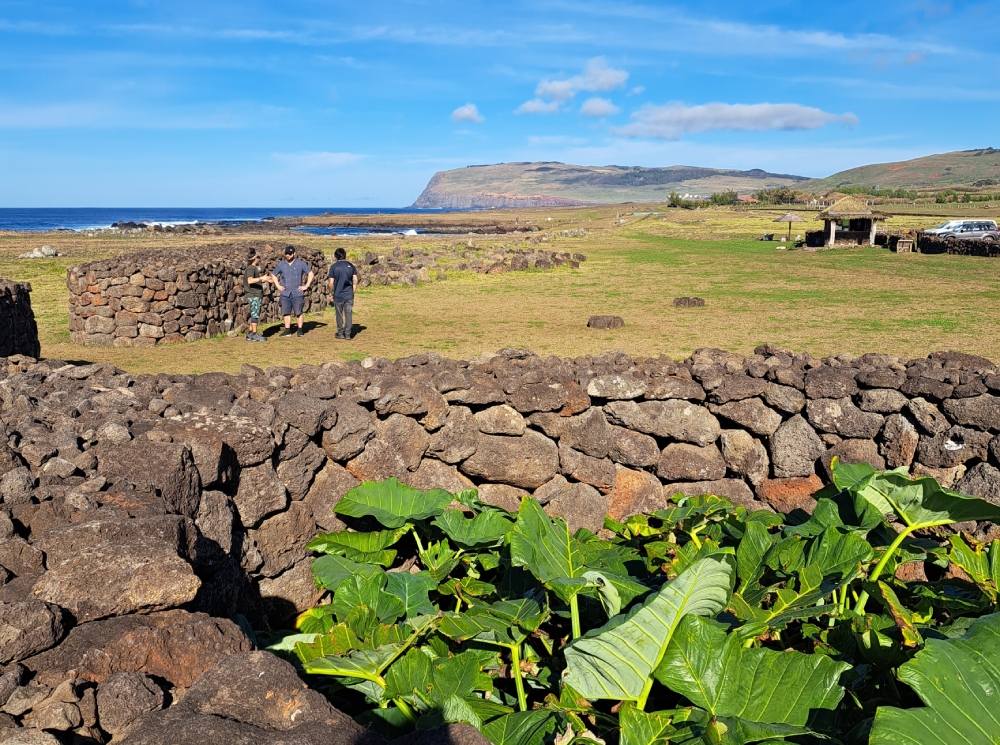
Seeing how locals care for their island was fascinating. They truly care for their land, practicing traditional land management including Manavai – a way of watering plants and gathering water. That is also why there are more limitations on what you can do, where you can go, and what you can touch (don’t touch the moai statues!). Far from seeming restrictive, these rules make you feel like you are part of the island’s story, helping to protect it for other generations.

Exploring the Island

We were incredibly lucky to be able to spend a whole week on Easter Island, which meant we were able to see almost everything. We visited so many of the moai statues (of course!), rode horses along the coast, swam in the sea, learned about the origins of Easter Island, and awed at its outstanding beauty.

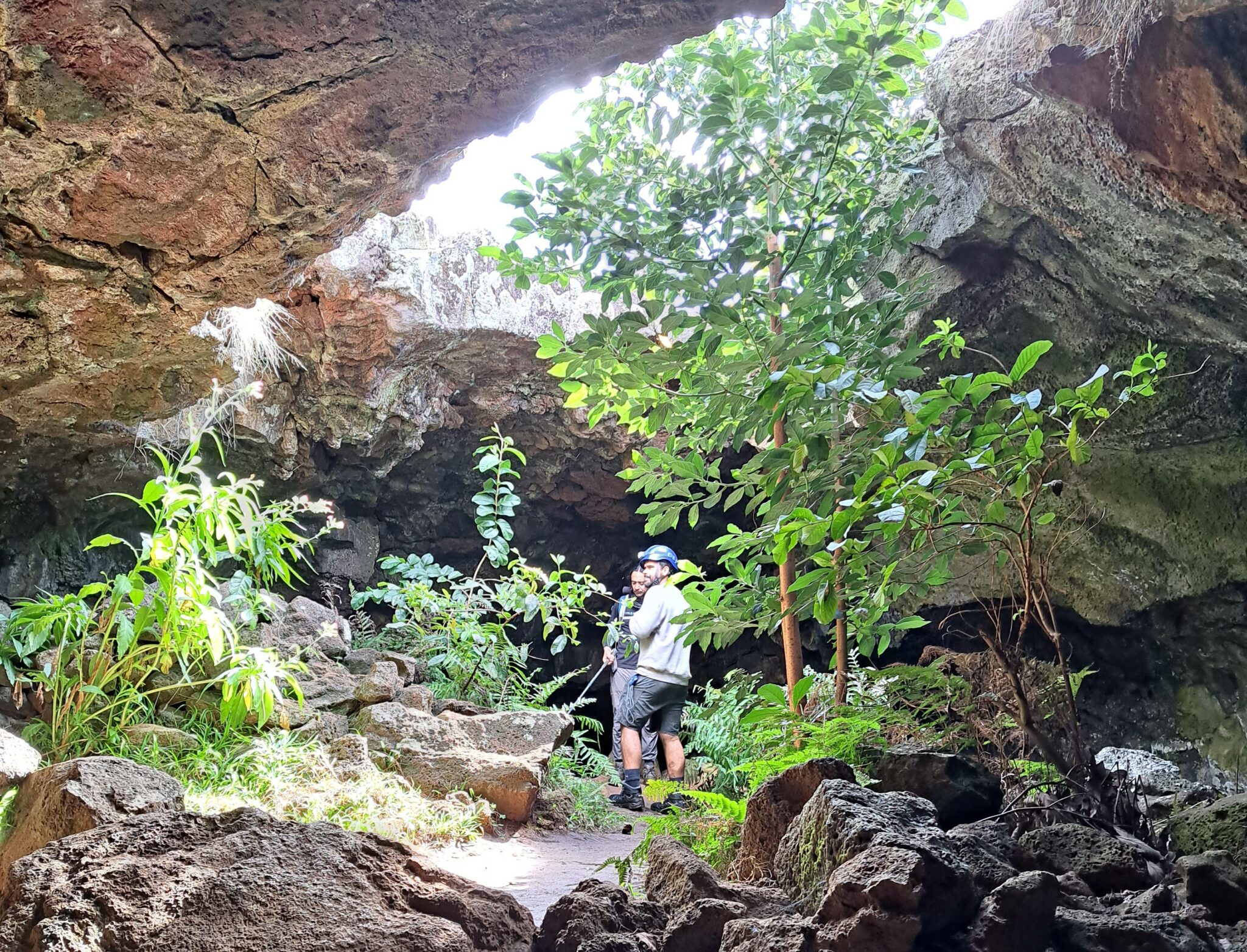
But the highlight of the trip was definitely exploring the underground caves. There are caves are scattered around the island, and some are open to tourists. My partner was a little nervous as he was unsure of how safe they were and how much we would see, but the guide was very reassuring. We donned our helmets and, looking back, I couldn’t be more glad that we both made it.
The Caves

Walking into the caves was like walking into another world. Each was unique and holds a part of Easter Island’s history. Gods, demons, and animals are carved into the walls. These petroglyphs (stone drawings) are tiny artefacts which, along with tools and the design of the caves themselves, offer a glimpse of the islanders’ historic cultures and the beliefs that shaped the island. Although the caves would be fantastic at any time of year, we were lucky to visit during the off-season meaning that many of the caves were empty. 

Sebastian, our expert guide, told us the story of three different caves we visited adding another level of understanding and fascination. The first cave was a strategic lookout point for the islanders, two windows meant approaching boats and potential invaders could be spotted. Another, filled with the weight of its history, had once served as the island’s prison. And finally, the third cave was a kind of temple, adorned with petroglyphs of the island’s god, Make Make, to which women and their partners were sent for the caves fertility-boosting powers. 

The History

The island has been home to a lot of tribes over the years – despite only being a 1,000 years old. Each tribe has changed the island and we can see their legacy everywhere – in drawings, statues and caves – but very little is really known about them. A lot of theories exist though and this makes for great conversation with guides and fellow travellers over dinner.
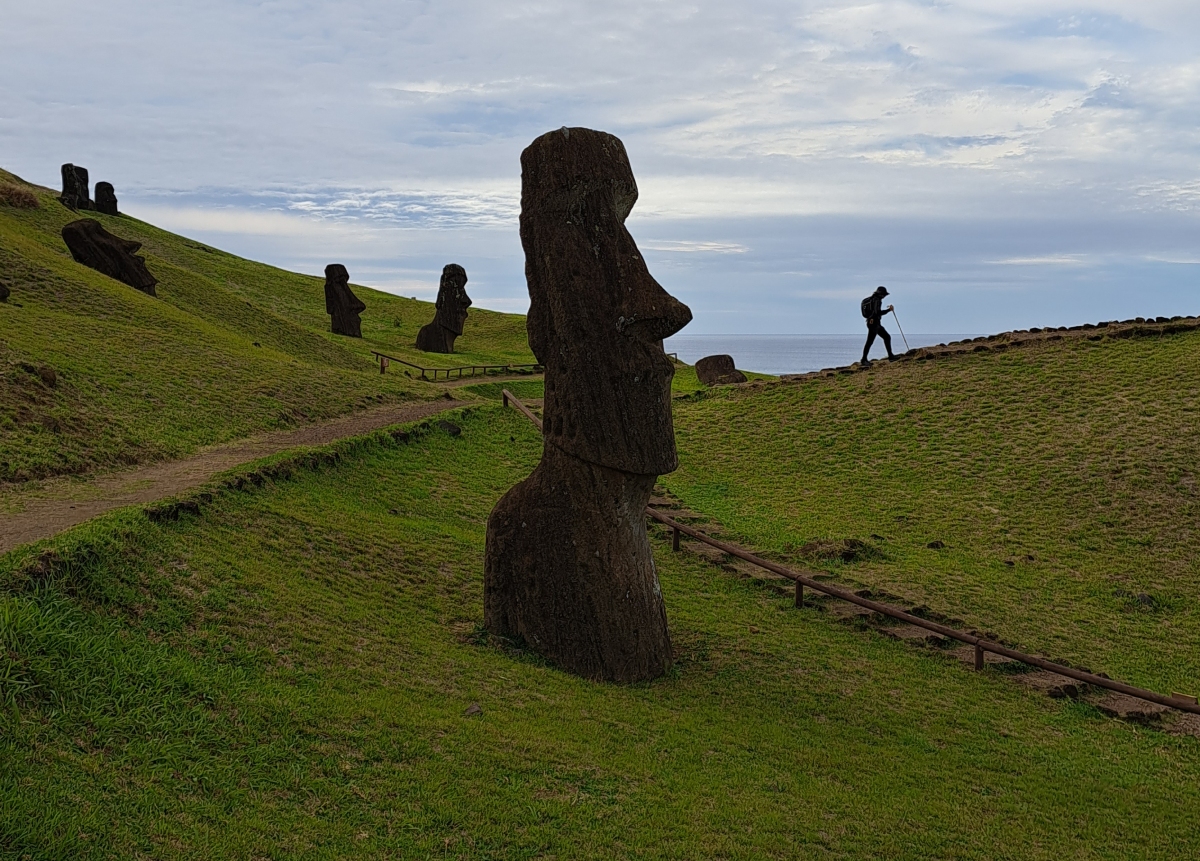
These days the island is ruled by its weather. There is an almost constant wind, which can affect activities but it doesn’t really affect the temperature. We visited in the winter, so it stayed between 15-20C (60-70F) most days although the locals were wrapped up warm. Don’t be fooled by the cooler temperatures though – make sure you pack and apply sunscreen!

Our most memorable moment…

It is pretty much a fact that you’ll leave the island with more friends than you started with. The guides and those they show around often make real friendships, creating networks of Rapa Nui devotees across the world. 
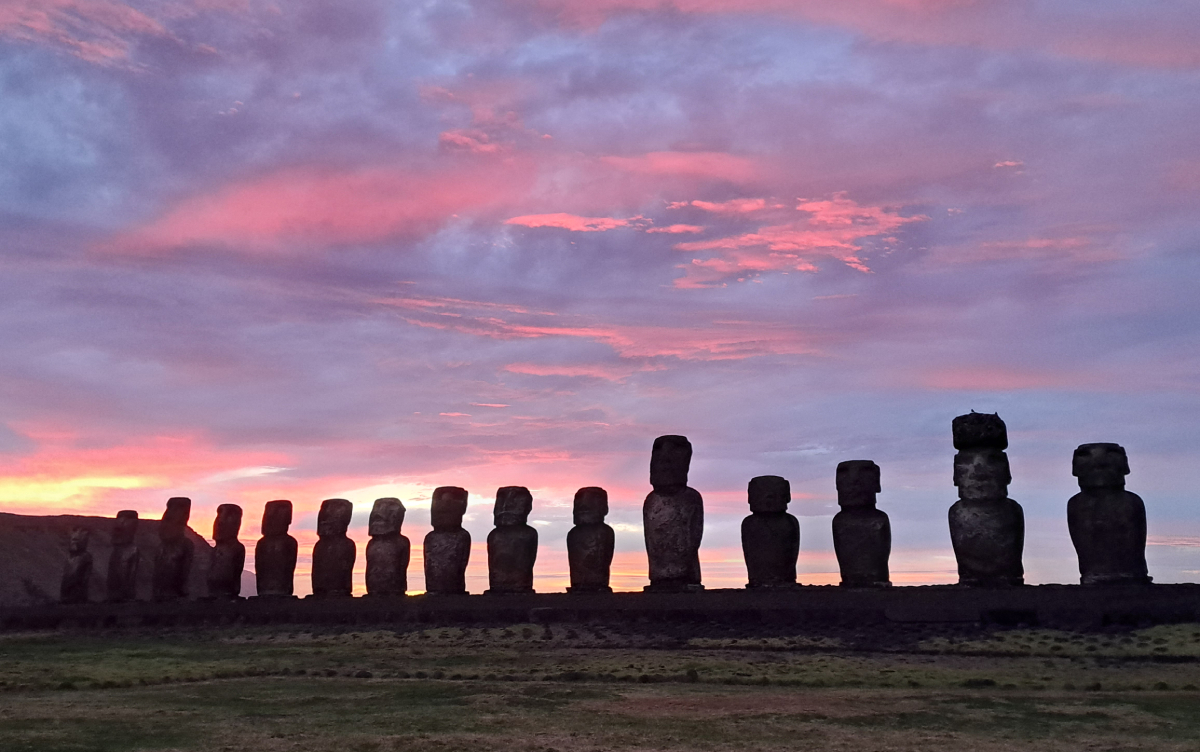
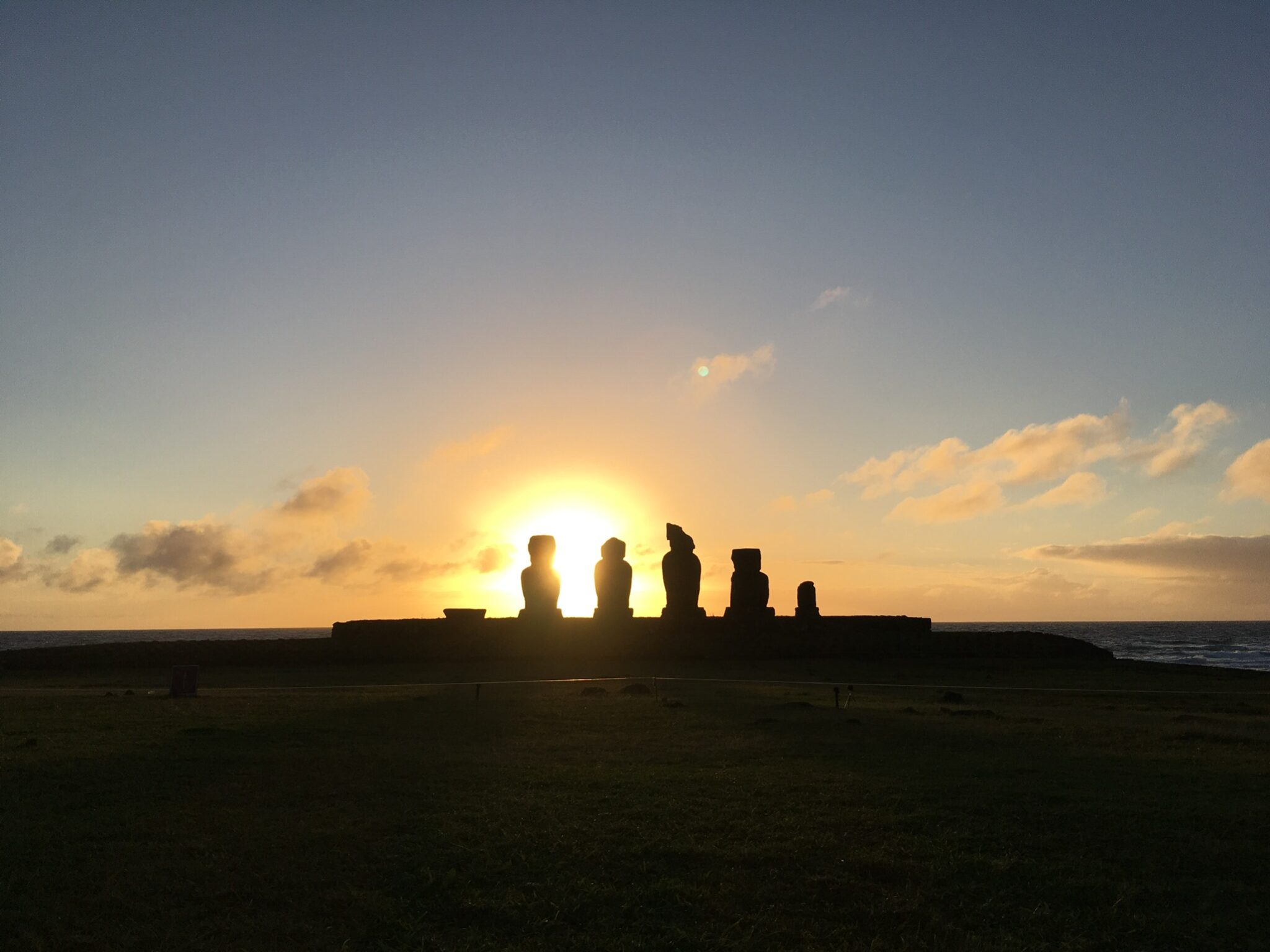
When I think back to my time on the island my mind returns straight away to the sunrise in Tongariki. Watching the sun emerge from to the side of the statues (it emerges from behind in the summer) as lit up the sky in an array of pastels was unforgettable. It was also a brilliant way to say goodbye to the island and the memories we made there. 
9 things I wish I knew before visiting Easter Island

With the advent of the Internet and the popularity of travel guides and travel blogs, it’s easier than ever to find out information about places you want to visit. It can help you plan your trip better, make arrangements in advance, and decide on what you want to see and do. But even with all that info floating around, there are still things that can surprise you when you reach your destination.

Doing some research in advance is especially important if you’re traveling to an isolated place like Easter Island. Located 2,182 miles from the mainland, here you are literally in the middle of nowhere. It definitely helps to be prepared and know what to expect! What kind of money should you bring? Are there ATMs? How can you get around the island? Not to fear, we’ve got you covered! Here are 9 things I wish I knew before visiting Easter Island.

1. You won’t always have Internet

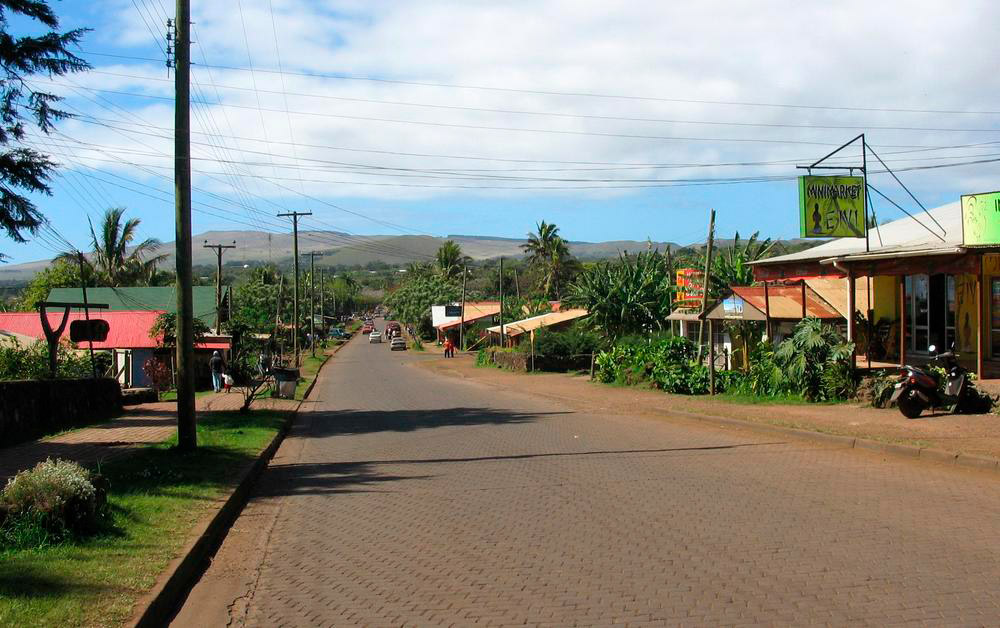
Easter Island is extremely isolated and, in many ways, cut off from the rest of the world. While it has modern infrastructure and amenities, the distance means that sometimes the Internet doesn’t want to cooperate. WiFi is only available in the main town of Hanga Roa at hotels and Internet cafes (most restaurants don’t offer WiFi) but even then, the connection can be patchy.

In 2016, the Chilean government implemented its WiFi ChileGob program on the island, a public service project that provides free WiFi in public places. However, this too is only available in Hanga Roa and doesn’t always work. But being on a tropical island in the middle of the Pacific seems like the perfect place for a digital detox, so feel free to ditch the devices and focus on enjoying your stay!


2. It’s not always sunny and tropical

Yes, Easter Island is in the middle of the Pacific Ocean and part of Polynesia. But that doesn’t mean it’s always a South Pacific idyll. Technically, Easter Island falls under the category of having subtropical weather, meaning that, in general, the weather is warm and humid, but during winter temperatures can drop into the 50s. Easter Island also gets a lot of rain (which is spread out throughout the year but usually peaks during the winter months of June to August), which can make the island feel unseasonably chilly, so don’t forget to bring raingear as well! Find out more about when is the best time to visit here.


3. Anakena Beach is cash-only

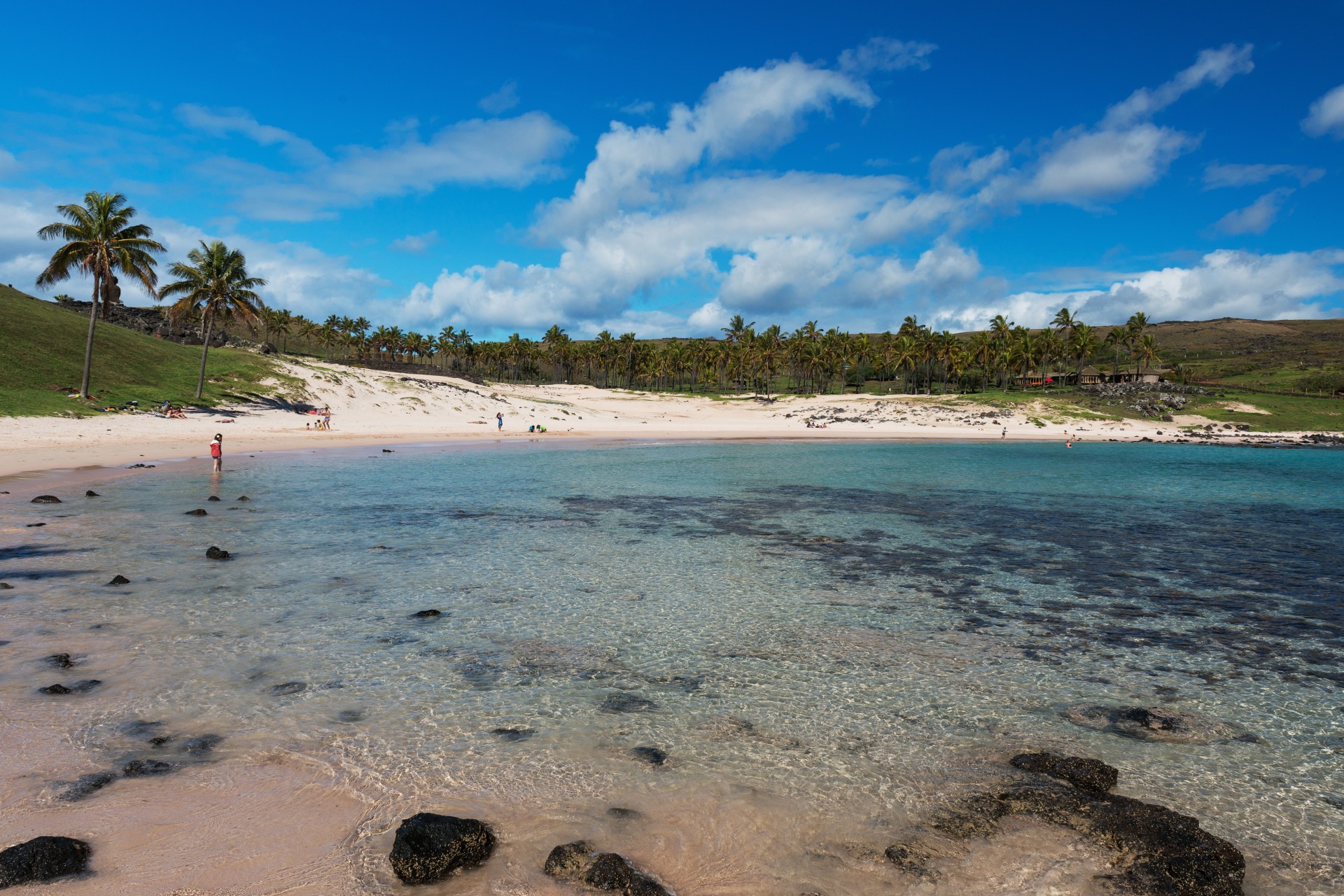
Anakena Beach, located on the opposite end of the island from Hanga Roa, is the only swimmable beach on the island and so is extremely popular among visitors and locals alike. With a large, half-moon beach of white coral sand, tranquil waters that are protected by the cove, and gently waving palm trees, it’s a slice of Polynesian paradise in the middle of nowhere.

With no hotels or accommodations in the vicinity, most people travel to the beach for the day from Hanga Roa, and local vendors have set up food stalls and stores; picnic sites, bathroom facilities, and a parking lot are also available to cater to these day trippers. But the one thing you won’t find is a credit card machine: everything on Anakena Beach operates on a cash-only basis. ATM machines can be found in Hanga Roa, so be sure to withdraw enough for the whole day!


4. You’re not allowed to touch the Moai

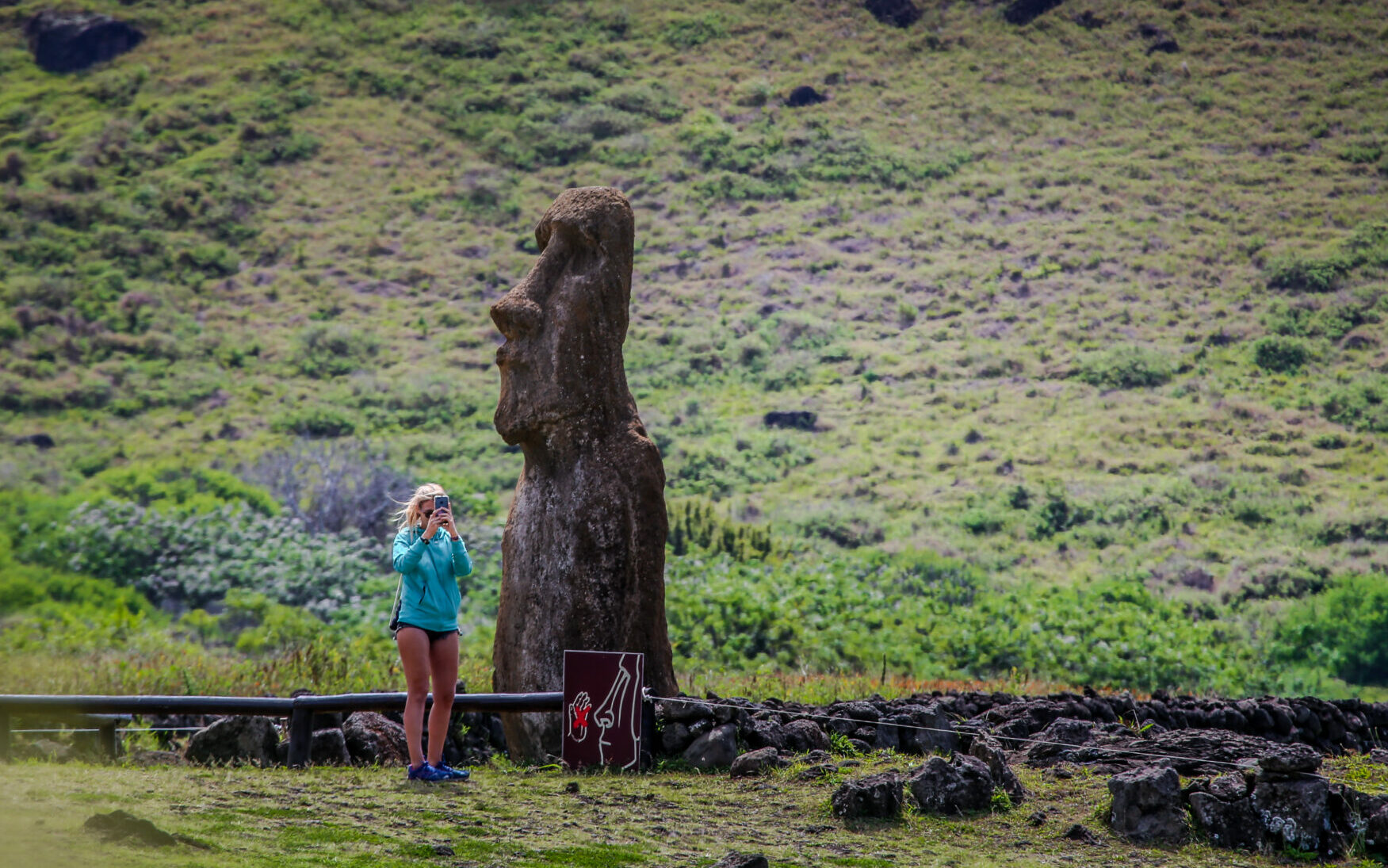
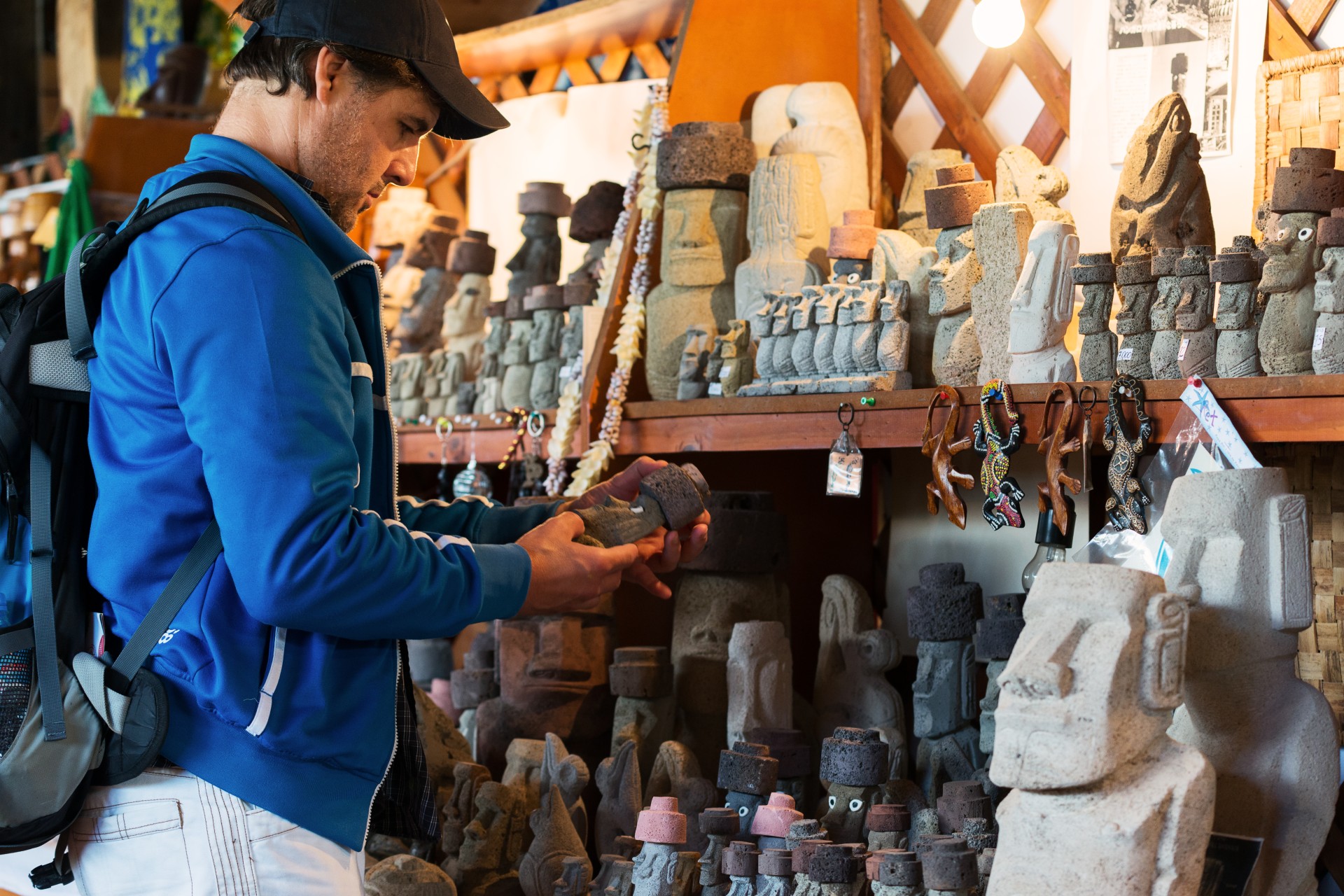
The Moai are amazing examples of art, design, and engineering that boggle the mind. Who wouldn’t want to touch a piece of history like that, especially because many of them are located close by the trails and paths? But still: keep your hands off! The Moai are protected by local law and touching one even comes with a fine; one tourist was fined more than $17,000 USD! This is mainly because, due to time and exposure to the elements, the Moai are naturally deteriorating, but having tourists constantly touching them speeds up the process. So, remember to keep your hands to yourself and instead pick up a Moai figurine as a souvenir.


5. Getting here is expensive and requires some advance planning

To combat over-tourism and because the island is so small, flights to Easter Island are limited and pretty pricey: round-trip fare from Santiago in high season can be upwards of $500 per person or even get into the thousands of dollars. There are several ways to snag cheaper flights, though: visit during the low and shoulder season, book well in advance, or plan out a longer trip (flight fares go down if you’re staying on the island longer instead of just visiting for a few days).


6. There are no buses on the island

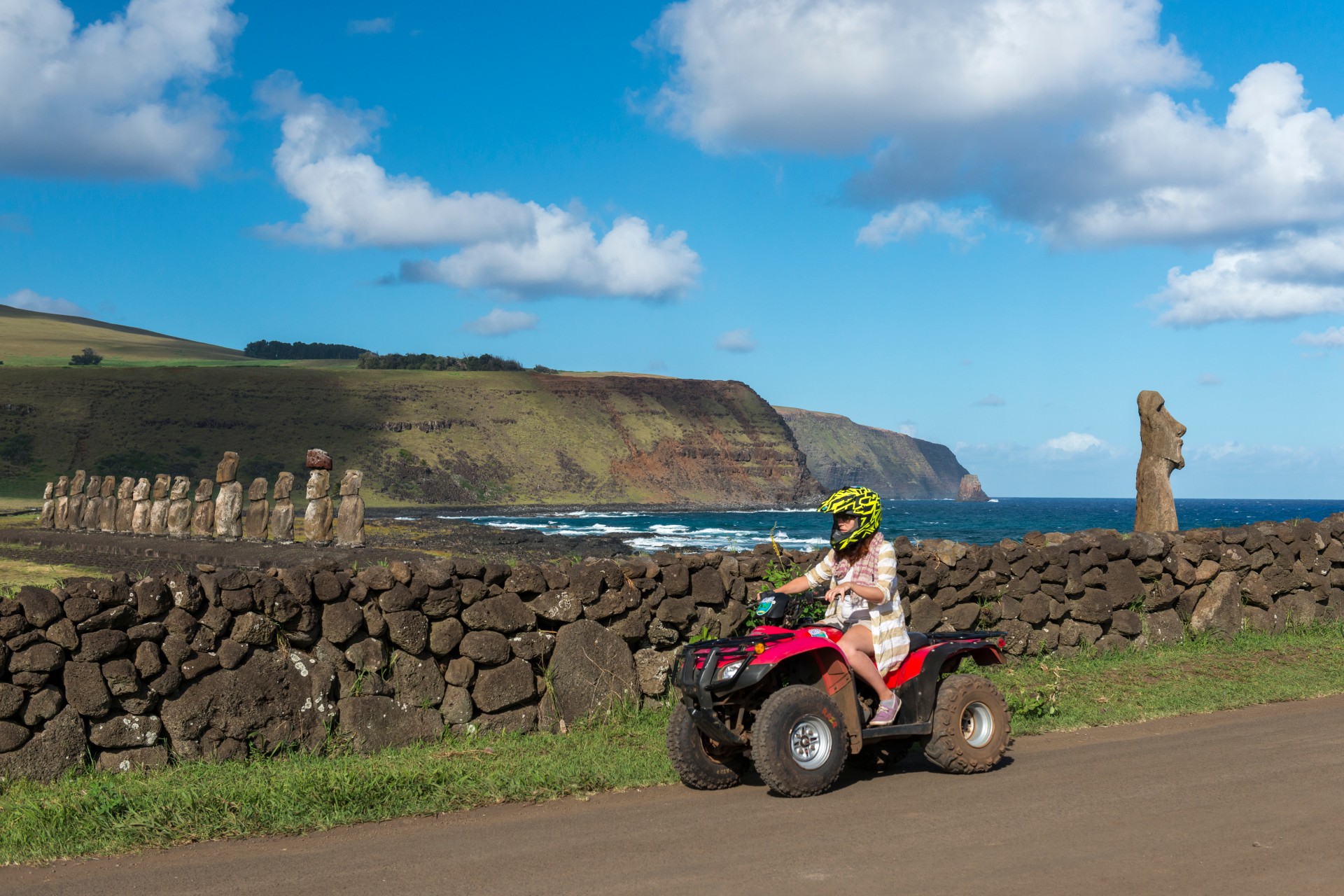
Easter Island is pretty small: only 63 square miles. With everything concentrated in Hanga Roa, that means that there are no local buses running routes around the island, except for tour buses. However, since the island is so small, that makes it easy to get around on your own. You can rent a car (there are several car-rental agencies), or go cycling (which is especially popular as the island is mainly flat and makes for easy riding). You can also hire a local taxi (there’s no Uber here!) to take you to certain sites.


7. Everything is charged in Chilean Pesos

Since Easter Island is legally a part of Chile, the primary currency accepted on the island is the Chilean Peso. But since so many visitors come from the United States, US dollars are also widely accepted. There are several money exchange offices in Hanga Roa, or you can convert your dollars to pesos in the Santiago airport before leaving the mainland.


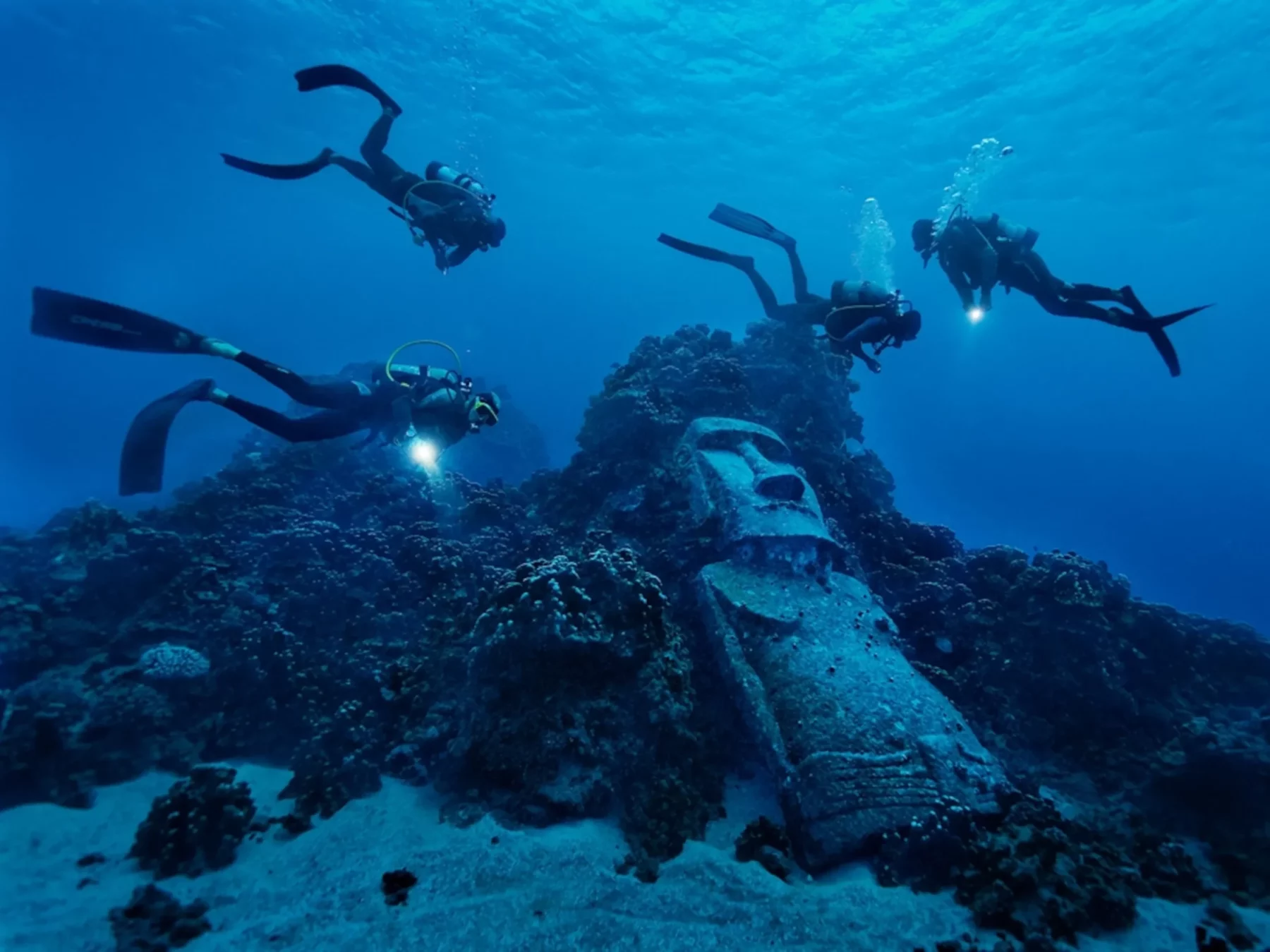
8. That Moai at the bottom of the ocean? Yep, it’s not real

You’ve probably seen photos of a Moai statue underwater near Easter Island, with divers swimming around it. Looks like an epic dive, right? Well, here’s the twist — it’s not an ancient relic, but a movie prop from the 1994 film Rapa Nui. Still, it makes for an unforgettable scuba adventure!


9. It’s not just the flight that’s expensive

Any way you swing it, Easter Island is a pricey destination. In addition to the flights, food and lodging can also be costly, especially since lots of things on the island need to be flown there from the mainland. But there are ways to save money and stretch out your budget. You can bring customs-approved snacks and food from the mainland, making reservations well in advance, and visiting outside of peak tourist season.

Plus, taking extra care to make sure you’ve packed everything you’ll need while on the mainland will help in avoiding any last-minute, “oh no, I forgot to bring…” purchases while on the island, where they’re guaranteed to be more expensive. But everything that Easter Island has to offer more than justifies the hefty price tag.